For the upcoming years
The lives of Spaniards are changing. For decades, the most common life course in the country followed a relatively predictable sequence: education work, marriage, parenthood and retirement at or before the age of 65 or earlier. Family life, work, and social relationships used to follow more clearly defined models. Today, by contrast, there is a much wider range of socially accepted ways to build a family, pursue a career, and relate to others
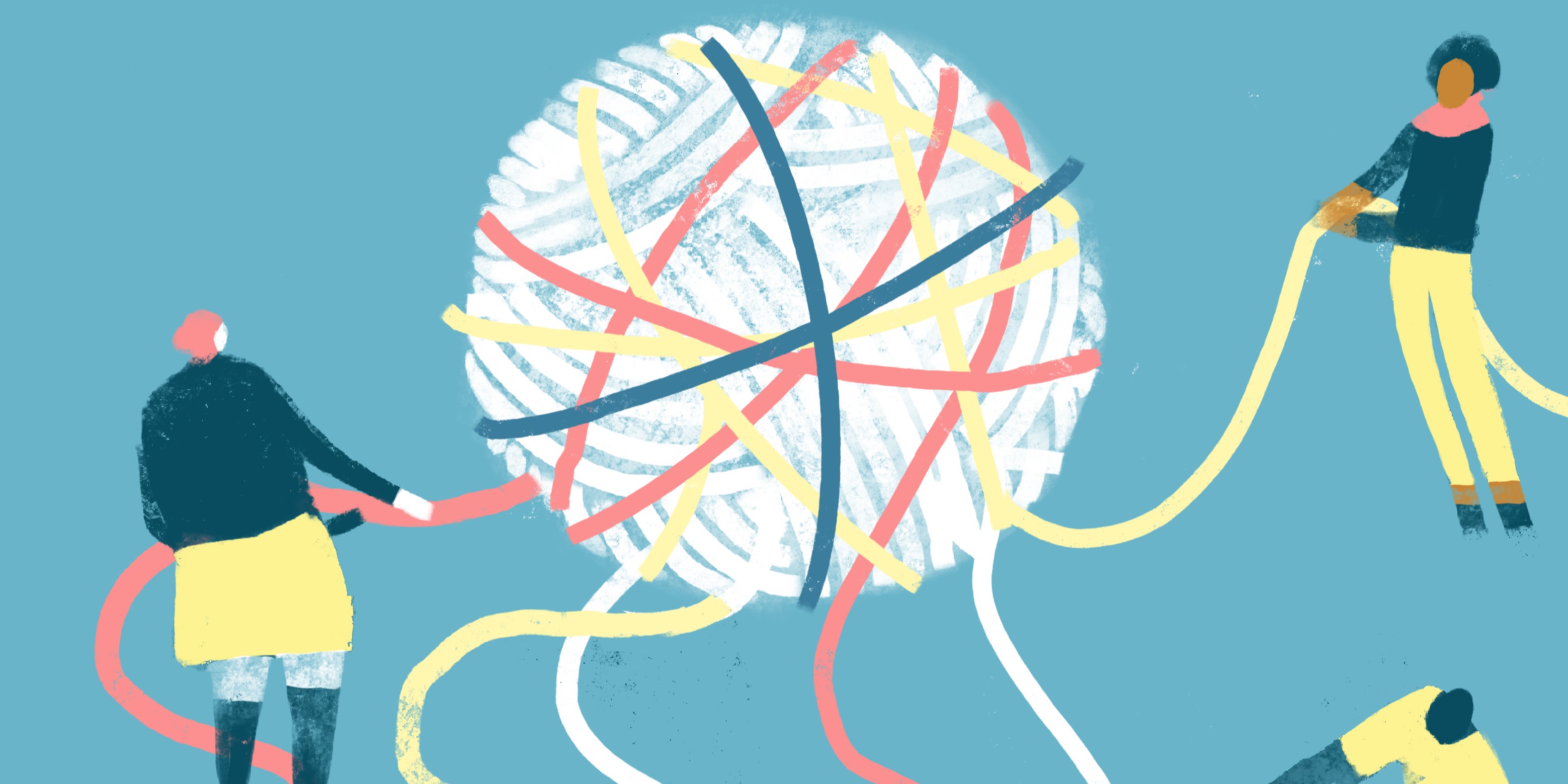
Today, life courses are longer, more varied, and less linear. People spend more years in education, change jobs more frequently, and experience increasingly varied life stages; households are smaller and more diverse, and the ways people live together, show affection, and care for one another have become more plural. Between now and 2050, these shifts may intensify. Digitalisation, mobility, the reorganisation of everyday time, and new expectations regarding well-being, autonomy, and personal development may continue to reshape how people work, connect with others, enjoy leisure, inhabit their neighbourhoods, and move through the different stages of life.