Logo Government of Spain. The National Office of Foresight and Strategy
  • Home
  • Our work
  • Future Trends
  • The office
  • Science
Search
Search
  • Home
  • Our work
  • Future Trends
  • The office
  • Science
  • en
  • es
You are here:
  1. Home
  2. Our Work
  3. Future Lives

Future Lives

A day in 2050.

For the upcoming years

The lives of Spaniards are changing. For decades, the most common life course in the country followed a relatively predictable sequence: education work, marriage, parenthood and retirement at or before the age of 65 or earlier. Family life, work, and social relationships used to follow more clearly defined models. Today, by contrast, there is a much wider range of socially accepted ways to build a family, pursue a career, and relate to others

Today, life courses are longer, more varied, and less linear. People spend more years in education, change jobs more frequently, and experience increasingly varied life stages; households are smaller and more diverse, and the ways people live together, show affection, and care for one another have become more plural. Between now and 2050, these shifts may intensify. Digitalisation, mobility, the reorganisation of everyday time, and new expectations regarding well-being, autonomy, and personal development may continue to reshape how people work, connect with others, enjoy leisure, inhabit their neighbourhoods, and move through the different stages of life.

On this page:

  • For the upcoming years
  • Future Lives
  • Dimensions of life 
  • How we have changed 

Future Lives: three generations at three points in time

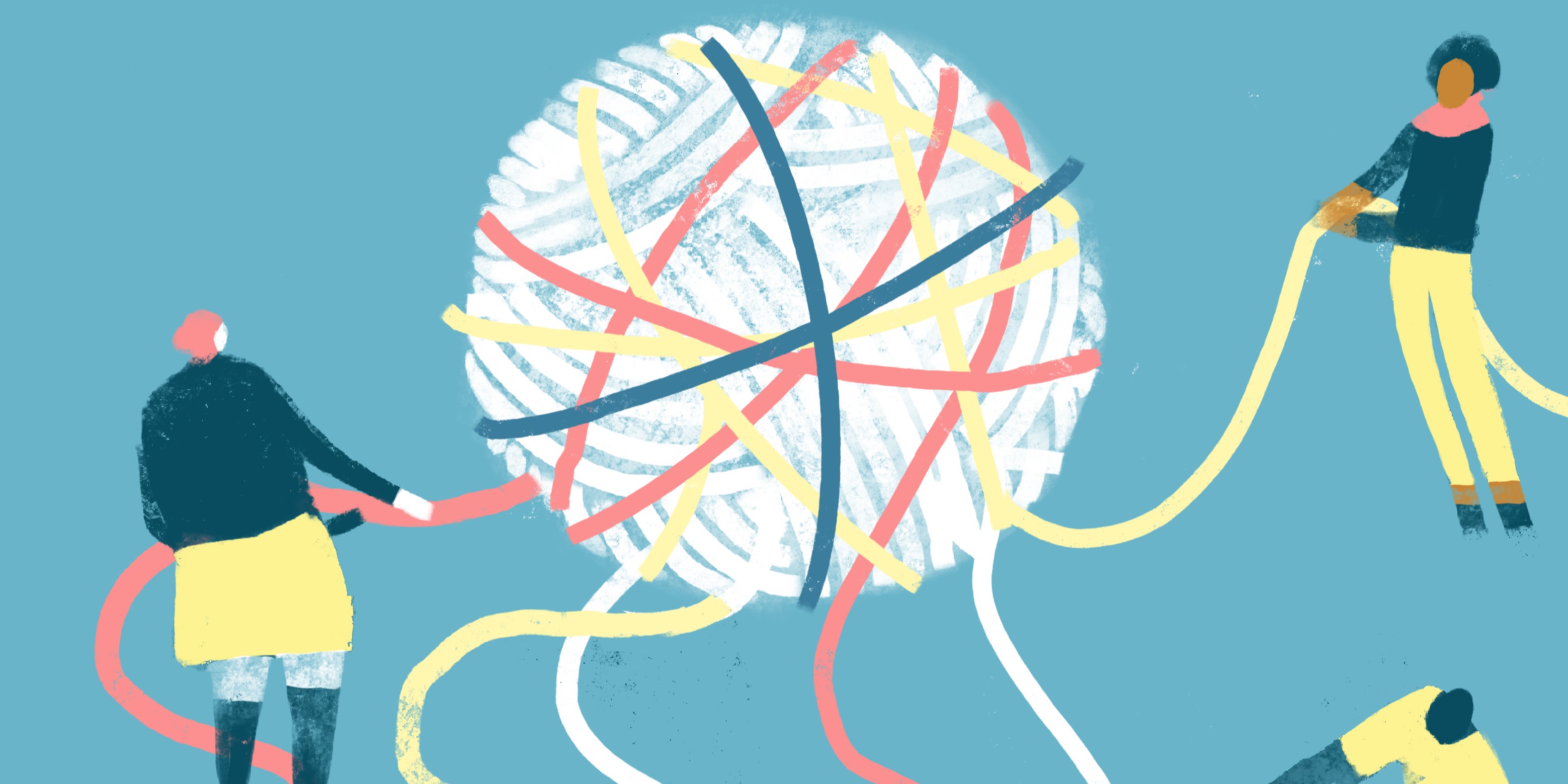
The aim of Vidas Futuras is to understand how life courses and public attitudes are shifting in order to anticipate what daily life in Spain may look like in the years ahead, and to align public policy framework to these transformations. To analyse this evolution, the project focuses on three generations that represent different moments in social change and the life cycle: the baby boom generation, born in the early 1960s; the millennial generation, born in the early 1980s; and Generation Alpha, comprising those born around the second decade of the twenty-first century.

Vidas Futuras examines ten domains that together capture the main dimensions of our lives: family, housing, education, work, leisure, social relationships, mobility, food, health, and care.

Download document:
 

Full text Executive summary
0
 
 
  • 25

    Experts

  • 11

    Life dimensions

  • 10

    Areas of action

Dimensions of life

Family

Diverse families

Housing

Living together

Education

Transformational schools

Work

Working to live

Entertainment

Online and on-demand entertainment

Networks

Diverse and digital affective networks

Mobility

No time wasted getting around

Nutrition

Changes at meal times

Health

Living longer, living better

Care

Shared care

Estrategy

Strategies for adapting to living in the future

How we have changed

  • Sitemap
  • Accessibility
  • Legal notice
  • Data protection
  • Linkedin Logo
  • Instagram Logo
  • Twitter Logo
  • Youtube Logo
Logo Government of Spain. Presidency of the Government. National Office of Foresight and Strategy
#hablemosdelfuturo Gobernar es planificar